
Pediatric Dental Checkup Valencia CA: Gentle Preventive Care and Comfort-Focused Visits
You’ll find practical, family-focused guidance on pediatric dental checkups in Valencia, CA that helps you prepare, reduce anxiety, and keep your child’s smile healthy. A local pediatric dentist can spot developing problems early, offer gentle preventive care, and make visits positive so dental health starts strong.
The article explains why early visits matter, what to expect during a child’s appointment, and how to choose a pediatric dentist in Valencia who uses modern, child-friendly techniques. It also covers common treatments, tips to ease your child’s nerves, and easy steps to maintain preventive care at home so you feel confident scheduling the next visit.
Why Early Dental Visits Matter
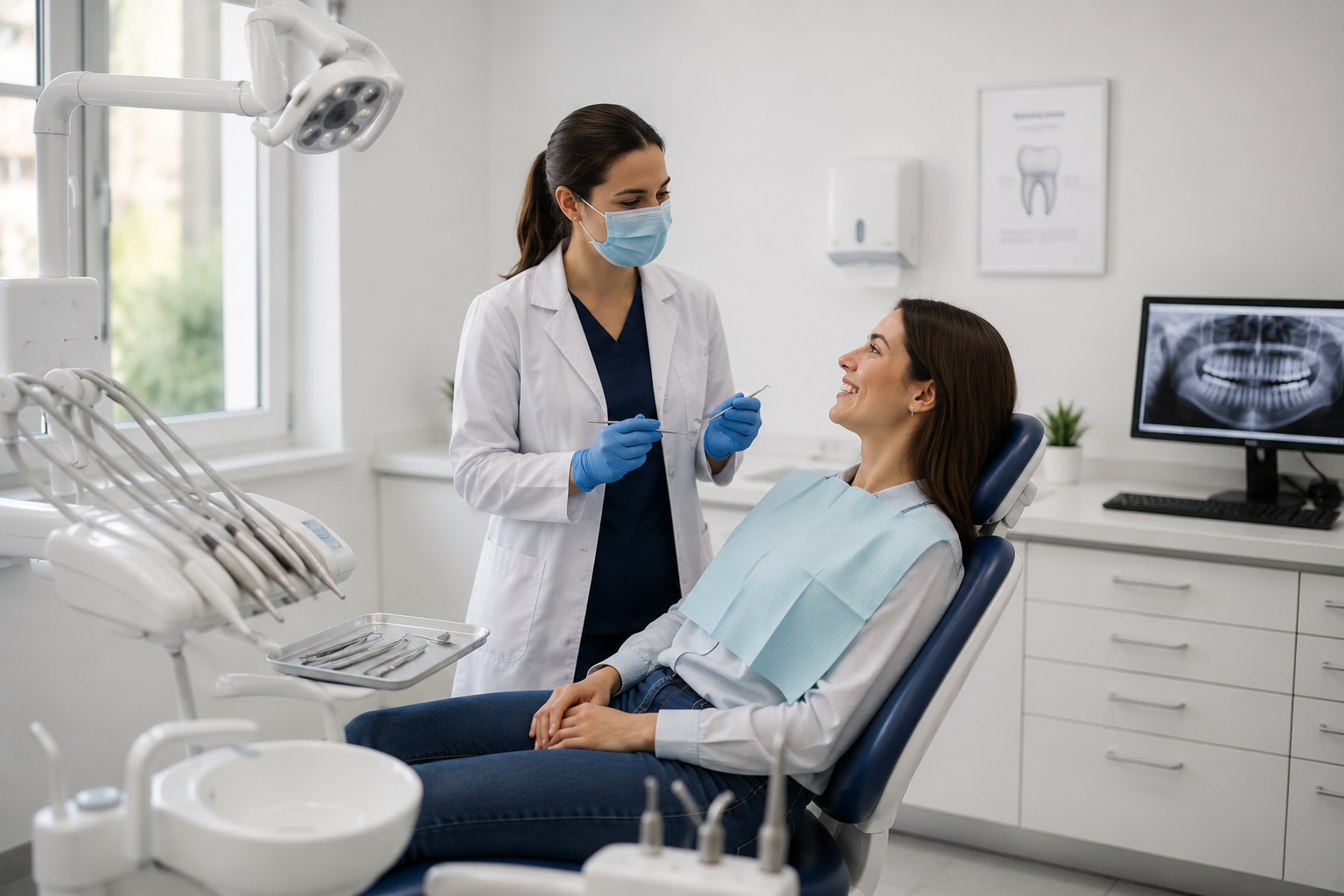
Early dental visits establish a foundation for healthy teeth, behavior, and timely treatment. They identify risks, guide parents on home care, and make the office a familiar, nonthreatening place for children.
Benefits for Lifelong Oral Health
Early visits let a dentist detect alignment issues, enamel defects, and slow-developing problems before they become complex. When a child sees a dentist by age 1 or within six months of the first tooth, the clinician can track eruption patterns and jaw growth, then recommend interventions like space maintenance or early orthodontic evaluation when indicated.
Regular professional cleanings and fluoride applications strengthen enamel and reduce decay risk. Dentists also assess habits such as thumb-sucking or prolonged bottle use and provide practical, age-appropriate strategies to address them. These targeted steps reduce the chance of restorative work later and support a smoother transition into routine dental care during adolescence.
Preventing Childhood Cavities
A pediatric dentist identifies early signs of decay—white spots, sticky plaque buildup, or poor brushing in hard-to-reach areas—before cavities progress. They apply evidence-based treatments such as topical fluoride, dental sealants on molars, and minimally invasive fillings when needed, which preserve more natural tooth structure.
Dentists give parents specific feeding and oral hygiene guidance: timing of nighttime bottles, limiting juice and sticky snacks, and effective brushing techniques for each developmental stage. They also create individualized recall schedules based on caries risk, so visits occur more frequently for high-risk children and less often for low-risk ones, optimizing prevention without unnecessary appointments.
Building Positive Dental Habits
Early appointments focus on comfort and familiarity, using child-friendly explanations, behavior guidance, and short, predictable procedures to reduce anxiety. Repeated positive experiences in the office help children accept routine care and cooperate during cleanings, X-rays, and exams as they grow.
Parents receive concrete tools: a step-by-step brushing routine, recommended fluoride toothpaste amounts by age, and strategies for making dental care part of daily family life. The dentist also models how to praise cooperative behavior and how to explain procedures in simple language, which reinforces lifelong habits and better oral health outcomes.
What to Expect During Your Child’s Visit
The visit focuses on a gentle exam, clear explanations, and comfort measures tailored to each child’s age and needs. Parents can expect a short medical review, a teeth cleaning when appropriate, and a discussion about diet, fluoride, and at-home care.
Gentle Exam Procedures
The dentist will begin with a quick medical and dental history update, including any allergies, medications, or recent illnesses. They will visually inspect the teeth, gums, jaw, and tongue, looking for cavities, early enamel wear, and signs of misalignment.
For most children, the exam includes a gentle cleaning using a soft-bristled brush and a child-sized suction tip. Fluoride varnish is commonly applied; it dries quickly and strengthens enamel. X-rays are taken only when necessary and with digital sensors to minimize radiation exposure.
The provider adapts techniques to the child’s development: knee-to-knee exams for infants, lap exams for toddlers, and chair-based exams for older kids. Each step is explained in simple phrases to keep the child calm and cooperative.
Comfort-First Approach
Staff prioritize a calm environment: warm greetings, a predictable sequence of steps, and choices like which flavored toothpaste to use. Distraction tools—books, cartoons, or a favorite toy—help reduce anxiety during cleaning and exam procedures.
If a child feels nervous, the team uses short, clear instructions and positive reinforcement instead of scolding. For procedures that might cause mild discomfort, the practice offers topical numbing gel and, when appropriate, small amounts of local anesthetic delivered gently.
Parents often sit nearby or hold a child’s hand when needed; the team explains when parental presence helps and when it may hinder cooperation. The office also discusses behavior-management options like scheduled short visits to build trust over time.
Explaining Tools and Techniques
The dentist introduces instruments before use, naming each tool in plain language: “cleaning brush,” “little camera,” or “tooth polish.” For imaging, they describe digital X-rays as a quick picture used only when needed to spot hidden cavities or check permanent tooth development.
They demonstrate suction, mirror, and polishing tools on a parent’s hand or a model so children see what to expect. When fluoride varnish or sealants are applied, providers explain the purpose: to harden enamel or protect chewing surfaces from decay.
After the visit, parents receive a written care plan listing recommended follow-ups, brushing techniques, fluoride amounts by age, and any dietary changes. The team invites questions and schedules the next preventive visit, making next steps clear and easy to follow.
Choosing the Right Pediatric Dentist in Valencia
Look for a dentist who combines pediatric training, gentle behavior techniques, and office policies that make visits predictable and stress-free. Prioritize clinicians who explain treatment options clearly and coordinate care with pediatricians or specialists when needed.
Qualities of a Great Provider
A great pediatric dentist in Valencia will have formal training in pediatric dentistry (a DDS or DMD plus a pediatric residency) and current state licensure. They should list continuing education topics—such as sedation safety, early orthodontic assessment, and trauma management—on their website or office brochure.
Behavior management matters: the dentist should use positive reinforcement, tell-show-do methods, and distraction techniques rather than scolding. Look for staff who document prior visit responses and create individualized plans for anxious children.
Practical specifics include transparent fee schedules, acceptance of dental insurance or clear financing, and a protocol for emergencies after hours. Read recent parent reviews focusing on wait times, communication about procedures, and whether the practice successfully treated children with special health care needs.
Family-Friendly Office Environment
The office should feel welcoming from the moment a family walks in—children’s books, age-appropriate toys, and seating that lets caregivers stay close during exams. Clean, well-organized spaces and visible infection-control practices reassure parents about safety.
Examine appointment logistics: do they offer morning slots for infants, longer first visits for new patients, and reminder texts? Check whether staff complete a medical-history review with caregivers and provide pre-visit instructions for behavior or dietary restrictions.
Look for amenities that reduce stress: private treatment rooms for sensitive procedures, child-sized equipment, and sedation options clearly explained with consent forms and medical screening. Also verify coordination features like specialist referrals, electronic records, and easy communication channels for follow-up questions.
Common Pediatric Dental Treatments
These treatments focus on preventing decay, protecting biting surfaces, and strengthening enamel. They aim to keep visits comfortable and reduce future cavities with simple, child-friendly procedures.
Professional Cleanings for Kids
A dental hygienist removes plaque and tartar using child-sized instruments and gentle suction. They polish teeth with a flavored paste to smooth surfaces and make brushing easier at home.
Hygienists also assess gum health, check for early decay, and document tooth development with notes or X-rays when needed. They teach parents and children specific brushing and flossing techniques tailored to the child’s age and motor skills.
Appointments typically last 30–45 minutes. For anxious children, practices may offer behavior guidance, distraction tools, or scheduling at quieter times to improve comfort and cooperation.
Protective Sealants
Sealants are thin, BPA-free resin coatings applied to the chewing surfaces of molars and premolars. The dentist cleans and dries the tooth, applies a mild etching solution, then bonds the sealant; the procedure takes about 10–15 minutes per tooth.
Sealants block grooves where food and bacteria collect, reducing cavities by up to 80% on treated surfaces in the first two years. They last several years but require periodic checks and touch-ups during routine visits.
Application suits children as soon as permanent molars erupt, typically around ages 6 and 12, and also for primary molars at high risk of decay.
Fluoride Applications
Topical fluoride strengthens enamel by remineralizing early decay and making teeth more resistant to acid attacks. The dental team may use a varnish, gel tray, or foam; varnish is quick, sticky, and acts for hours after treatment.
Frequency depends on cavity risk: every 3–6 months for high-risk children, or every 6–12 months for low-risk patients. The dentist evaluates diet, past decay, and home fluoride use to set a schedule.
Fluoride treatments are safe when applied professionally and used alongside supervised toothbrushing with a smear or pea-sized fluoride toothpaste as recommended by age.
Helping Your Child Feel at Ease
Calm preparation and familiar comforts reduce fear and build trust before a dental visit. Practical steps parents can take and small comfort items in the operatory make a big difference in a child’s behavior and cooperation.
Preparation Tips for Parents
Parents should schedule the appointment at a time when the child is usually rested and fed, such as late morning after breakfast. Arrive 10–15 minutes early to complete paperwork and allow the child to explore the waiting area without rushing.
Use simple, positive language when describing the visit: “The dentist will count your teeth and make them sparkle” avoids words like “pain” or “hurt.” Practice a short, playful role-play at home with a toothbrush and mirror so the child understands open mouth basics.
Share any behavioral triggers with the dental team, such as sensitivity to bright lights or separation anxiety. Ask the office about child-friendly techniques they use — tell-show-do, distraction tools, and short breaks — so parents know what to expect and can reinforce the same language.
Comfort Items and Support
Bring one small, familiar item: a favorite stuffed toy, a blanket, or a calming music playlist on a phone. Allow the child to hold the item during the exam; it provides tactile reassurance and can be used for distraction during brief procedures.
Offer a predictable reward after the visit, like a sticker or extra story time, rather than food treats that undermine oral care messaging. If a child benefits from sensory support, request sunglasses for bright lights or noise-reducing headphones ahead of time.
Parents should stay calm and speak in steady, encouraging tones in the operatory. If separation is necessary, arrange a clear plan with the dentist — brief goodbyes, a visible return time, or having the parent sit within view — to reduce distress and promote cooperation.
Keeping Up With Preventive Care at Home
Daily brushing, flossing, and smart food choices protect enamel and reduce cavities. Small, consistent habits at home make dental visits easier and protect developing teeth.
Daily Brushing and Flossing Routines
Parents should supervise toothbrushing until a child can tie shoelaces reliably — usually about 7–8 years old. Use a pea-sized amount of fluoride toothpaste for children 3–6, and a rice-grain amount for under 3. Brush twice a day: two minutes each time, covering all tooth surfaces with gentle circular motions.
Floss once daily as soon as two teeth touch. For toddlers, use floss picks or interdental brushes to make the motion easier and safer. Replace toothbrushes every 3 months or sooner if bristles fray. Make brushing fun with a two-minute timer, a song, or a reward chart to build lasting routines.
Recommended Nutrition for Healthy Smiles
Limit sugary snacks and drinks to mealtimes to reduce acid attacks on enamel. Water and plain milk are the best daily beverages; avoid fruit juices and sports drinks for routine hydration. When sweets are offered, choose sticky treats sparingly and follow with water or a meal to help clear sugars.
Include calcium- and vitamin D-rich foods such as yogurt, cheese, leafy greens, and fortified cereals to support tooth and jaw development. Crunchy fruits and vegetables like apples and carrots help clean surfaces and stimulate saliva. Encourage regular family meals and mindful snacking to make oral-healthier choices easier.
Questions about specific foods, fluoride use, or home-care techniques are welcomed; scheduling a quick consult can tailor recommendations to a child’s needs.
When to Schedule the Next Appointment
Children should generally return every six months for routine checkups and cleanings. Regular visits help the dentist spot early issues like cavities, growth concerns, or habit-related wear.
If the child has ongoing risk factors — frequent cavities, orthodontic concerns, or a medical condition affecting oral health — the dentist may recommend visits every three to four months. More frequent appointments allow fluoride treatments, monitoring, and timely interventions.
After restorative work (fillings, crowns, or extractions), a follow-up visit is often scheduled within four to eight weeks to confirm healing and function. Parents should watch for pain, swelling, or unusual behavior and call sooner if problems arise.
Toddlers getting their first teeth may need checkups starting at the first birthday and then every six months to establish care and prevent early decay. Adolescents undergoing braces or aligners usually require appointments every 4–8 weeks for adjustments and monitoring.
Use a simple checklist when scheduling: • Routine cleaning? 6 months. • High-risk or active decay? 3–4 months. • Post-treatment check? 4–8 weeks. • Orthodontic care? 4–8 weeks.
If uncertain, consult the Valencia pediatric dental team for a personalized schedule based on the child’s dental history and comfort. They can answer questions and set the next visit to support healthy smiles.
Valencia’s Community Support for Children’s Dental Health
Valencia partners with local schools and community centers to make dental care accessible for families. Mobile clinics and school-based screenings help identify issues early, and parents receive guidance on routine care and nutrition.
Nonprofit organizations and county programs offer low-cost or sliding-scale services for uninsured children. These groups often coordinate with pediatric dentists to provide fluoride varnish and sealants during community events.
Local dentists volunteer at health fairs and educational workshops to teach parents and kids about brushing, flossing, and preventing cavities. Hands-on demonstrations and kid-friendly materials make learning simple and less intimidating.
Many practices in Valencia emphasize a child-friendly office environment, trained staff, and behavior-focused approaches to reduce anxiety. These features aim to build trust so children feel comfortable returning for regular checkups.
Practical resources for families:
- School programs: routine screenings, referrals.
- Community clinics: low-cost preventive services.
- Volunteer events: free screenings and fluoride treatments.
- Family education: workshops and take-home tips.
Parents can check school newsletters, city health pages, or local dental society listings to find upcoming events and resources. If questions arise, contacting a local pediatric dental office can clarify options and set up an initial consultation.
A Gentle Invitation to Take the Next Step
Parents in Valencia, CA can schedule a pediatric dental checkup with confidence, knowing their child will receive gentle, age-appropriate care. The team focuses on comfort, clear explanations, and creating positive first experiences so children feel safe and supported.
They welcome questions about fears, past dental history, and routine care. Staff explain each step in plain language and offer simple tips parents can practice at home to improve brushing and prevent cavities.
Consider booking a checkup if it’s been six months since the last visit, if a child complains of tooth pain, or when new teeth erupt. Preventive visits often include cleaning, a quick exam, and fluoride or sealant options when appropriate.
Services that ease visits include flexible appointment times, friendly staff trained in pediatric behavior guidance, and distraction techniques for anxious children. They also coordinate with parents about special needs or medical concerns to tailor care.
To make scheduling easy, call the office, book online, or use the patient portal. They encourage families to ask about insurance, payment plans, and what to expect at the first visit.
Parents who want reassurance or have specific concerns can request a brief consultation before the appointment. This small step helps build trust and ensures the child’s checkup goes smoothly.
Frequently Asked Questions
This section answers common, practical concerns about timing, procedures, comfort strategies, preventive care, and treatment choices for children at a pediatric dental practice in Valencia, CA. Each item gives clear guidance parents can use before, during, and after visits.
When should my child have their first dental visit?
The American Academy of Pediatric Dentistry recommends the first dental visit by the child’s first birthday or within six months of the first tooth appearing. Early visits let the dentist check tooth development, discuss feeding and oral hygiene, and spot problems before they progress.
How often does my child need a dental checkup and cleaning?
Most children need a checkup and cleaning every six months, but children with a high cavity risk may need visits every three to four months. The dentist will set a schedule based on their cavity risk, fluoride exposure, and overall oral health.
What happens during a routine pediatric dental exam for a child?
The dentist will visually examine teeth, gums, bite, and oral tissues, often using a small mirror and gentle probing. A professional cleaning removes plaque and soft deposits, followed by a fluoride treatment if indicated; X-rays are taken only when necessary.
How can I help my child feel calm and comfortable at the dentist?
Parents should use calm, positive language before the visit and practice brief role-play at home with a toothbrush or mirror. Arrive on time, bring a familiar comfort item, and tell the dental team about any anxiety so they can use child-friendly explanations and pacing.
Do baby teeth really need fillings or treatment if they’ll fall out anyway?
Yes. Treating decay in baby teeth prevents pain, infection, and damage to developing permanent teeth and avoids issues with speech and chewing. Restorations and pulpotomies for primary teeth preserve space and maintain proper jaw and tooth alignment.
What can I do at home to prevent cavities between checkups?
Brush twice daily with a rice-grain amount of fluoride toothpaste for children under 3, and a pea-size amount for ages 3–6, supervising until they can spit. Limit sugary snacks and sticky foods, encourage drinking water, and ask the dentist about topical fluoride or dental sealants for added protection.