Teeth Whitening for Kids Valencia CA: Safe, Comfortable Options and Expert Guidance for Families
Thinking about teeth whitening for kids in Valencia, CA raises practical questions about safety, timing, and whether it’s the right step for your child’s smile. You can get clear guidance from pediatric dentists in Valencia who assess each child’s oral development and recommend safe, age-appropriate options when whitening is appropriate. This article walks through why families consider whitening, which methods are safe, and how local pediatric expertise shapes treatment choices.
You’ll learn what to expect at an appointment, how to care for young teeth after treatment, and how Valencia practices balance cosmetic goals with dental health. If you want reassurance, practical tips, and sensible next steps for a brighter smile, the following sections make the path easy to follow.
Why Consider Teeth Whitening for Children?
Parents often weigh cosmetic benefits against safety and long-term dental health when thinking about whitening. Professional evaluation, identifying stain causes, and considering emotional impacts help determine if whitening suits a child.
Signs Your Child May Benefit
Noticeable tooth discoloration that affects a child’s confidence can justify professional assessment. Stains that are persistent despite regular brushing, especially on front teeth, warrant a dentist visit to rule out enamel defects or intrinsic staining.
If a child avoids smiling, covers their mouth, or reports teasing from peers, those social signs can be as important as physical staining. A dental exam can determine whether the discoloration is surface (extrinsic) and removable, or internal (intrinsic) and requiring specialized treatment.
Parents should look for sudden color changes after illness or antibiotic use, plus white, brown, or gray bands on teeth that suggest developmental issues. The dentist will check for cavities, enamel hypoplasia, or fluorosis before recommending any whitening approach.
A tailored plan prioritizes tooth structure, age, and the child’s oral hygiene habits to minimize sensitivity and protect developing teeth.
Common Causes of Stains in Kids
Extrinsic stains come from foods and drinks such as grape juice, tomato sauce, berries, and colored candies. Poor brushing technique or prolonged bottle feeding with sugary liquids can also leave surface discoloration that a hygienist can often polish away.
Intrinsic stains result from events during tooth development: tetracycline antibiotics taken in early childhood, trauma to a baby tooth, or enamel defects like hypoplasia and fluorosis. These cause deeper discoloration that over-the-counter whiteners usually cannot fix.
Medical history often reveals causes: prolonged jaundice as an infant, certain antibiotics, or prenatal exposures may explain intrinsic stains. Dietary and lifestyle factors explain most surface stains and respond to professional cleaning plus improved home care.
Dentists use diagnostic tools—visual exam, radiographs when needed, and patient history—to identify stain type and recommend safe, age-appropriate treatment.
Emotional and Social Benefits
Improved tooth appearance can boost a child’s self-esteem and willingness to participate in social activities. When staining leads to teasing or withdrawal, cosmetic improvement often results in more confident smiling and better peer interactions.
Addressing dental esthetics can reduce anxiety about school photos, recitals, or sports and help children engage more fully in social settings. Restoring a healthy-looking smile supports emotional development during formative years.
Parents and dentists should balance aesthetic goals with comfort and oral health. In-office options and conservative treatments minimize sensitivity and preserve enamel, while counseling on expectations helps children understand realistic outcomes.
Encouraging a child to be part of the decision — within age-appropriate limits — fosters a sense of control and supports positive behavior around oral hygiene and future dental care.
Safe Whitening Methods for Young Smiles
Parents should prioritize treatments that protect developing enamel and gums, choose age-appropriate concentrations, and consult a pediatric dentist before starting any whitening. Emphasis belongs on professional guidance, gentle at-home approaches, and safe lifestyle changes that reduce staining.
In-Office Pediatric Treatments
Pediatric dentists in Valencia, CA, use controlled, professional whitening only when necessary and after assessing tooth development. They prefer lower-concentration hydrogen peroxide or carbamide peroxide formulations and limit exposure time to reduce sensitivity and protect enamel.
Clinicians often perform a dental exam, fluoride treatment, and gum isolation before whitening. Protective barriers and short, monitored sessions minimize soft-tissue irritation and swallowing risk. Dentists adjust protocols for mixed dentition (permanent front teeth erupting) and postpone cosmetic bleaching on primary teeth unless medically indicated.
For intrinsic stains from trauma or fluorosis, dentists may recommend alternatives such as microabrasion, composite bonding, or veneers for older teens instead of stronger bleaching. Parents receive written aftercare instructions on pain management, avoiding acidic foods, and signs that warrant a follow-up, like prolonged sensitivity or gum soreness.
At-Home Whitening Options
Over-the-counter whitening strips and gels are generally not recommended for young children without dentist approval. Many products contain peroxide concentrations too high for developing teeth and lack child-safe sizing for trays or strips.
Dentists may prescribe custom-fit trays with low‑concentration whitening gel for older adolescents. Custom trays ensure even contact and reduce gel ingestion. Providers set strict application schedules—shorter daily wear and limited treatment weeks—to limit sensitivity and enamel exposure.
For younger children, dentists recommend professionally supervised touch-ups only. They explain safe storage of gels away from children and describe emergency steps if a child swallows product or develops severe irritation. Written instructions and scheduled check-ins help parents monitor results and side effects.
Natural Ways to Brighten Teeth
Non-bleaching approaches reduce stain buildup and support long-term smile health. Daily brushing with fluoride toothpaste twice a day and flossing remove surface stains and prevent discoloration from plaque.
Dietary changes matter: limit colas, dark juices, and berries that stain; encourage water, milk, and crunchy fruits/vegetables that help clean teeth. Offer age-appropriate calcium- and vitamin-D-rich foods to support enamel strength.
Professional cleanings every six months remove tartar and surface discoloration that home care can’t. For mild extrinsic stains, dentists might offer polishing or mild abrasive pastes during visits. Always consult the dentist before trying home remedies like baking soda to avoid abrasive damage to young enamel.
Choosing the Right Age for Whitening
Parents should weigh tooth development, cause of discoloration, and safety of whitening products when deciding on treatment. Many cosmetic concerns resolve with professional guidance, preventive care, or delayed treatment until enamel and oral hygiene are stable.
Best Practices for Different Age Groups
For children under 12, avoid peroxide-based whitening. Their enamel and pulp chambers are thinner, increasing sensitivity and risk. Focus on preventive steps: professional cleanings every six months, fluoride varnish when indicated, and addressing dietary staining from juice or colored foods.
Tweens (12–15) may tolerate milder, dentist-supervised in-office or custom tray bleaching if discoloration affects self‑esteem and tooth development is complete. Dentists will assess enamel thickness, restorations, and orthodontic treatment before recommending a protocol.
Teens (16–18) can consider stronger professional whitening if indicated, provided they have good oral hygiene and no active decay. Over-the-counter strips are not recommended without dental clearance, because improper use can cause uneven results and sensitivity.
When to Consult a Dentist
Consult a pediatric or family dentist before any whitening attempt to determine cause of discoloration—intrinsic stains from trauma or antibiotics require different treatment than surface stains. The dentist will perform an oral exam, take radiographs if needed, and evaluate restorations, enamel defects, and orthodontic appliances.
Bring a list of current medications, recent dental work, and photos of the teeth in different lighting to the appointment. The dentist will explain age-appropriate options, expected outcomes, and possible side effects like sensitivity or gum irritation, and they will recommend timing relative to orthodontic treatment.
Pediatric Dental Expertise in Valencia, CA
Families in Valencia can expect dentists who specialize in child-friendly care, use modern tools, and prioritize safety and comfort. Clinics focus on age-appropriate communication, preventive education, and individualized treatment plans for issues like staining, enamel defects, and trauma.
Specialized Pediatric Dentists
Pediatric dentists in Valencia complete additional training beyond dental school to handle children’s growing mouths, behavior guidance, and medical considerations. They treat infants through teens, adjusting techniques for cooperation levels and developmental stages.
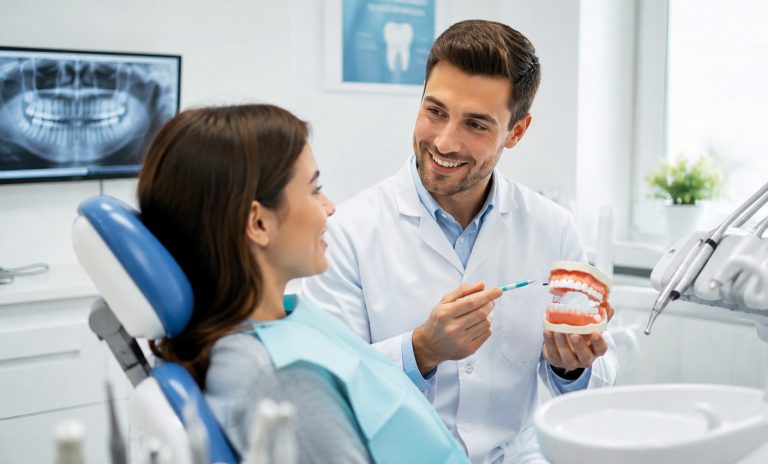
Clinics often employ behavior management strategies such as tell-show-do, positive reinforcement, and distraction to reduce anxiety during exams or whitening evaluations. Staff members receive pediatric-first-aid and sedation training when needed, ensuring safer care for children with special needs or strong dental fear.
Dentists assess causes of tooth discoloration—fluorosis, intrinsic staining, tetracycline exposure, or surface stains—before recommending any whitening. They prioritize enamel-safe options and discuss realistic outcomes, risks, and alternatives like microabrasion or bonding when whitening isn’t appropriate.
Advanced Technology and Tools
Valencia pediatric practices use diagnostic tools that improve safety and outcomes for whitening-related decisions. Digital x-rays and intraoral cameras allow precise evaluation of tooth structure and staining patterns with minimal radiation exposure.
Clinics favor enamel-safe whitening when indicated, often choosing lower-concentration gels, custom trays, or professionally supervised in-office systems with built-in safeguards. They monitor tooth sensitivity and gum health throughout treatment to prevent complications.
Many offices also offer adjunctive technologies—like protective isolation systems, shade-matching devices, and patient-education materials—to set clear expectations and track progress. These investments help families make informed choices and support comfortable, effective care for young patients.
What to Expect During a Whitening Appointment
Parents will learn how the dentist checks oral health, chooses an age-appropriate method, and keeps the child comfortable. The visit includes a short exam, discussion of options and risks, and a straightforward treatment with follow-up instructions.
Initial Assessment
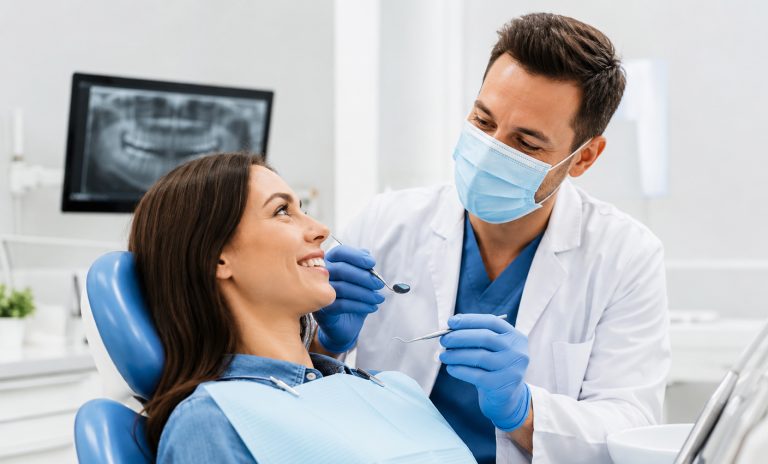
The dentist performs a focused oral exam to rule out cavities, enamel defects, or gum inflammation that could cause pain or reduce whitening effectiveness. X-rays or intraoral photos may be taken if decay or developmental issues are suspected.
They review the child’s medical history and any tooth sensitivity or fluoride exposure. The provider assesses tooth shade with a shade guide so parents see baseline color and understand realistic goals.
If staining comes from medications or intrinsic causes, the dentist explains that whitening may be less effective and suggests alternative cosmetic options. Consent is obtained from the parent or guardian before proceeding.
Treatment Process
The team cleans the teeth to remove plaque and surface debris that block the whitening agent. A rubber dam or cheek retractor protects soft tissues and keeps the area dry during treatment.
For in-office whitening, the clinician applies a 10–15% hydrogen peroxide gel in short cycles, often 15–20 minutes each, checking color after each cycle. For take-home trays, the dentist fits custom trays and prescribes a lower-concentration gel with clear daily wear instructions.
Appointments typically last 45–90 minutes for in-office care or 1–2 visits for take-home systems. The provider monitors for sensitivity and stops or adjusts the protocol if discomfort occurs.
Comfort Measures for Kids
Clinics use child-sized headrests, playful distractions like videos, and calm staff to reduce anxiety. Dentists offer topical numbing gel for gums if the child feels anxious about mouth manipulation.
If the child has known sensitivity, the dentist uses a lower-concentration gel, shorter application times, or desensitizing agents such as fluoride varnish before and after treatment. Parents receive simple aftercare steps: avoid staining foods for 48 hours and use a toothpaste for sensitive teeth if needed.
Clear communication with the child—simple explanations and praise—helps cooperation. The clinic schedules a short follow-up call or visit to check comfort and color satisfaction, and to advise on maintenance.
Aftercare and Maintaining Bright Teeth
Keeping children’s smiles bright requires simple daily routines and small dietary choices. Consistent brushing, limiting staining foods, and routine dental visits protect results and reduce sensitivity.
Healthy Habits for Lasting Results
Parents should supervise brushing twice daily with a pea-sized amount of fluoride toothpaste until children can reliably spit. Use a soft-bristled brush and angle it 45 degrees at the gumline; short, gentle strokes remove plaque without abrading enamel.
Floss once daily as soon as two teeth touch. For younger kids, flossing with picks or pre-threaded floss helps parents reach back teeth easily. Consider using a whitening-safe fluoride rinse for kids over 6, only if recommended by the dentist.
Schedule a professional cleaning every six months or as the dentist advises. Cleanings remove surface stains and check for sensitivity or enamel wear. If sensitivity appears after whitening, use a desensitizing toothpaste containing potassium nitrate and avoid aggressive brushing for two weeks.
Foods and Drinks to Limit
Limit beverages that stain, such as cola, grape juice, and sports drinks; offer water or milk instead. Strongly colored foods—blueberries, tomato sauce, soy sauce—can also dull whitened teeth, so serve them less frequently or follow with water.
Avoid sugary snacks and sticky candies that cling to enamel; they increase decay risk and undermine whitening benefits. When kids consume staining items, a quick rinse with water or chewing sugar-free gum containing xylitol helps clear pigments and stimulate saliva.
Provide tooth-friendly snacks like apples, carrots, and cheese, which help clean teeth naturally and neutralize acid. Keep straws for occasional staining drinks to reduce contact with front teeth, and remind parents that moderation and routine care extend whitening results.
Addressing Parents’ Top Concerns
Parents often worry about whether whitening will harm developing teeth and how to handle sensitivity if it occurs. The following answers focus on safety guidelines, age considerations, and practical steps to manage side effects.
Is Whitening Safe for Children?
Dentists generally recommend delaying professional whitening until most permanent teeth have erupted, usually around ages 12–14. Enamel on permanent teeth is stronger than on primary teeth, and bleaching agents can penetrate enamel; doing treatments before full eruption increases risk of uneven results and irritation.
A dentist evaluates tooth maturity, presence of restorations, and any underlying enamel defects before approving whitening. They may recommend alternatives such as polishing, microabrasion for intrinsic stains, or treating staining causes like medication-related discoloration. Over-the-counter whitening products are not advised for young teens without dental supervision because of variable concentrations and fit of trays.
If a clinician approves whitening, they use lower peroxide concentrations, shorter application times, and custom trays to control exposure. Regular follow-up checks monitor tissue response and shade stability.
Managing Sensitivity and Side Effects
Sensitivity is the most common side effect; it usually appears as brief, sharp reactions to cold or sweets and often resolves within a few days after treatment ends. Dentists minimize sensitivity by using desensitizing agents (potassium nitrate, fluoride varnish) before and after bleaching and by spacing treatment sessions.
Parents should expect possible gum irritation if whitening gel contacts soft tissues. Properly fitted trays and careful application prevent most irritation. If irritation occurs, pausing treatment for 48–72 hours and applying a fluoride gel or prescribed topical can help.
Provide a simple at-home care plan: use a desensitizing toothpaste twice daily, avoid extremely hot or cold foods for 24–48 hours after a session, and contact the dentist for persistent pain or visible gum inflammation. The dentist may reduce gel strength, shorten sessions, or recommend professional in-office whitening under close supervision.
The Valencia Community’s Approach to Pediatric Dental Health
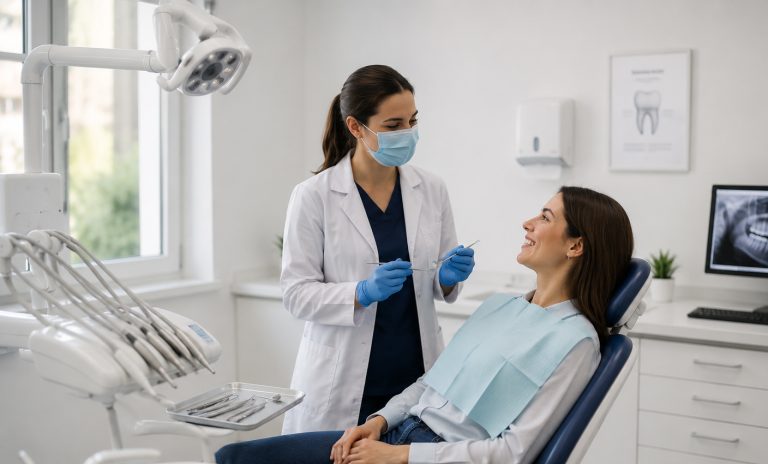
Valencia providers prioritize gentle, age-appropriate care that puts children at ease. They use calm communication, kid-friendly exam rooms, and techniques that reduce fear so families feel comfortable returning.
Preventive care leads the approach. Regular cleanings, fluoride treatments, and early sealants protect developing teeth and reduce the need for interventions later.
Education plays a central role for parents and kids. Dentists and hygienists explain brushing and flossing with simple demonstrations, and they offer personalized routines based on a child’s diet and habits.
When cosmetic concerns like staining arise, clinicians balance safety and necessity. For most young patients, professional whitening is delayed until tooth development and enamel thickness are appropriate; when needed, providers review evidence-based options and potential risks.
Valencia practices emphasize modern, minimally invasive treatments. They favor conservative restorations, silver diamine fluoride for early decay when appropriate, and restorative materials chosen for durability and biocompatibility.
Accessibility and coordination matter to families. Clinics often accept major insurances, offer flexible scheduling, and coordinate with pediatricians or specialists when dental anxiety or medical issues require extra support.
Parents are encouraged to ask questions and schedule evaluations early. A consultation helps tailor preventive or cosmetic plans to a child’s needs and builds trust between the family and the dental team.
Encouragement to Take the Next Step
Parents can start by calling or visiting a trusted pediatric or family dentist in Valencia to discuss safe whitening options for their child. A brief phone consult answers basic questions and helps determine if an in‑office visit is needed.
During the visit, the dentist will review the child’s dental history and examine teeth for cavities, enamel defects, or sensitivity that could affect whitening. They will explain whether whitening is appropriate now or if preventive care should come first.
If whitening proceeds, the dentist will describe gentle, age-appropriate methods and expected results. They will also outline risks, how to minimize sensitivity, and real home-care steps parents can use to support bright, healthy smiles.
Parents should prepare a short list of questions beforehand. Suggested prompts: “Is my child a good candidate?” “What are the safest options?” and “How do we prevent staining in the future?”
Below are quick next steps parents can take today:
- Schedule an exam with a Valencia pediatric or family dentist.
- Bring recent dental records or a list of concerns.
- Discuss timeline and costs during the appointment.
A friendly dental team will welcome questions and make each child comfortable. They can tailor a plan that balances cosmetic goals with long-term oral health, so families feel confident taking action.
Frequently Asked Questions
This section answers practical concerns parents commonly have about whitening a child’s teeth in Valencia, CA. It covers age guidelines, safety, causes of staining, local costs, over-the-counter products, and gentle alternatives.
At what age is it safe for a child to start whitening their teeth?
Dentists generally wait until all permanent front teeth have erupted, usually around 12 to 14 years old. Tooth whitening is not recommended for primary (baby) teeth because the enamel and pulp are different and more sensitive.
A dentist will also assess oral health, bite development, and enamel maturity before recommending any whitening. If orthodontic treatment is ongoing, clinicians often delay whitening until after braces come off.
Is professional teeth whitening safe for kids, and what are the risks to watch for?
When performed by a licensed dentist, professional whitening can be safe for teenagers with mature permanent teeth. The dentist will use lower-concentration agents and protective measures to limit gum and soft-tissue exposure.
Common risks include temporary tooth sensitivity and gum irritation. Persistent sensitivity, uneven results, or damage from inappropriate at-home use are reasons to consult the dentist promptly.
What causes yellow or stained teeth in children, and when should a dentist check it out?
Extrinsic stains come from foods and drinks like berries, sports drinks, or colored candies and usually affect the surface enamel. Poor brushing habits and plaque buildup also make teeth appear yellow.
Intrinsic discoloration can result from enamel hypoplasia, certain medications (like tetracycline given during tooth development), trauma to a tooth, or excessive fluoride. Parents should schedule a dental check if stains appear suddenly, affect a single tooth after an injury, or do not improve with regular cleaning.
How much does child-friendly teeth whitening typically cost in our area, and what affects the price?
In Valencia, CA, professional teen whitening at a pediatric or family dental office commonly ranges from $200 to $500 for in-office or dentist-supervised take-home options. Prices vary with the type of treatment, number of visits, and whether custom trays are required.
Additional costs can come from pre-treatment cleaning, fluoride treatments for sensitivity, or finishing polish procedures. Insurance rarely covers cosmetic whitening, so verify benefits and ask offices about payment plans or bundled preventive care.
Are over-the-counter whitening strips or toothpaste safe for children, or should we avoid them?
Most manufacturers do not recommend whitening strips or high-concentration whitening toothpaste for children under 12 to 14 years. Over-the-counter products can cause gum irritation, uneven whitening on erupting teeth, and increased sensitivity.
Parents should consult the child’s dentist before using any OTC whitening product. The dentist can recommend age-appropriate options and supervise use if some whitening is appropriate.
What gentle, preventive options can brighten a child’s smile without using strong whitening treatments?
Professional cleaning and polishing remove surface stains and often produce a noticeable improvement without bleaching. Fluoride varnish and enamel-strengthening treatments protect teeth while addressing sensitivity risks.
Dietary changes—reducing dark-colored drinks, offering water after staining foods, and avoiding excessive acidic snacks—help prevent new stains. For mild cosmetic concerns, dentists may recommend microabrasion or cosmetic bonding only after evaluating tooth development and overall oral health.
Related Articles