
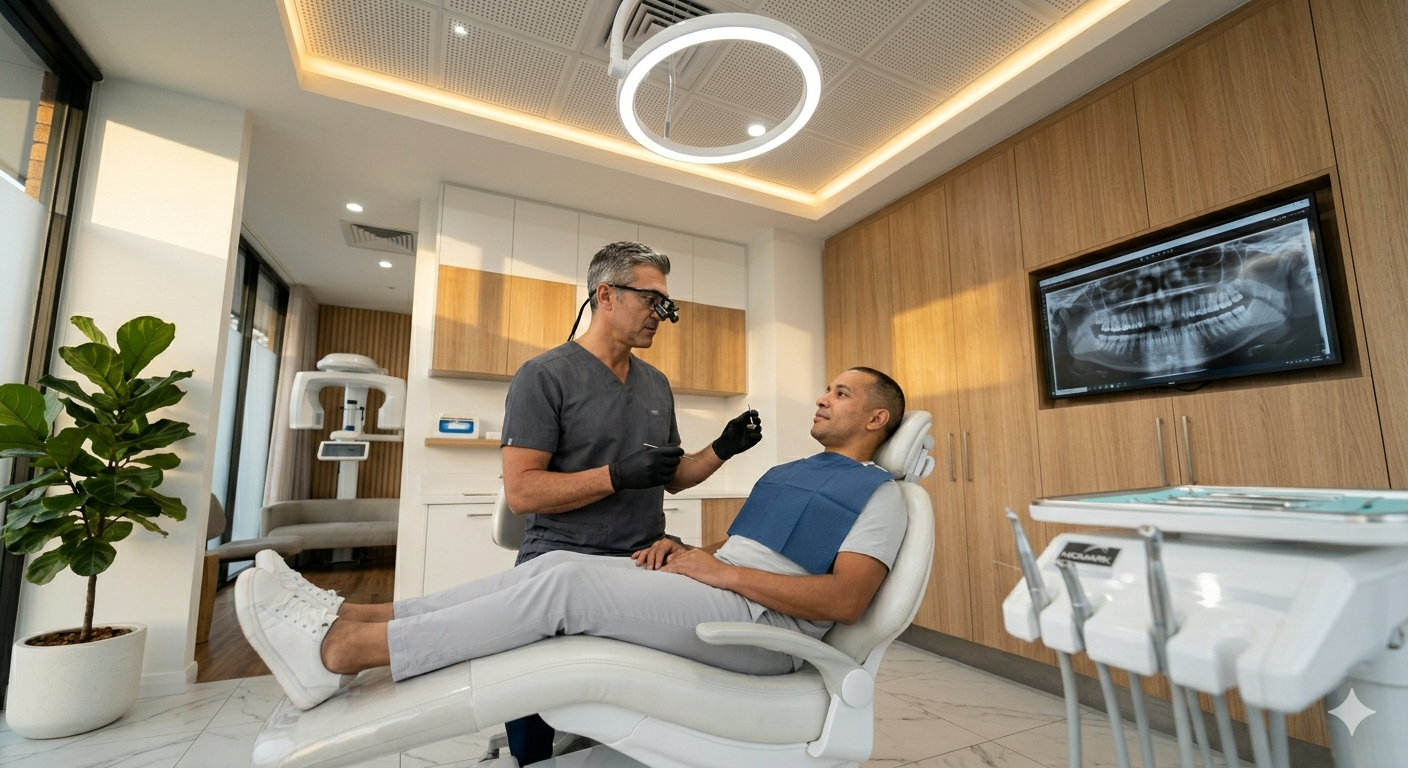
Pediatric crowns in Valencia, CA, are a common and effective solution for protecting a child’s damaged or decayed teeth. They help restore tooth function and appearance while preventing further decay, ensuring your child’s smile stays healthy as they grow. These crowns are designed specifically for young teeth and are made with materials that are safe and comfortable for kids.
Dentists in Valencia use modern techniques to make the crown process quick and stress-free, putting both parents and children at ease. Understanding why and when a pediatric crown is needed can relieve worries and help families make informed decisions about dental care. Encouraging regular dental visits and early treatment can make all the difference in a child’s oral health journey.
Understanding Pediatric Crowns
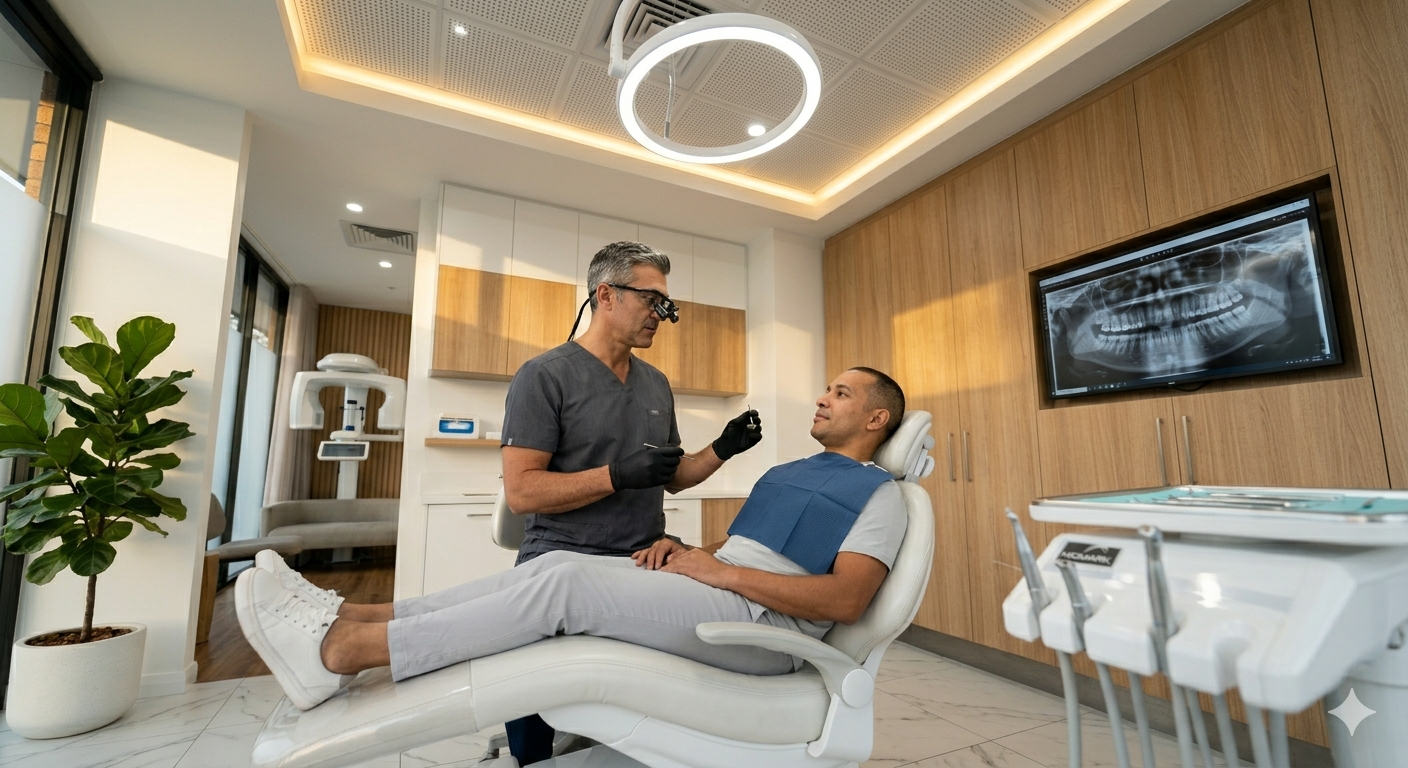
Pediatric crowns protect and restore damaged baby teeth, helping kids maintain proper chewing and speech development. Choosing the right crown involves balancing durability, safety, and appearance to fit a child’s unique dental needs.
What Are Pediatric Crowns
Pediatric crowns are custom-made caps that cover a child’s tooth when it’s too damaged for a filling. They restore structure and function, preventing further decay or injury.
These crowns are designed specifically for primary teeth, which eventually fall out. They preserve the space and shape, ensuring the permanent teeth develop correctly underneath.
Applying a pediatric crown usually requires minimal visits, often with sedation or local anesthesia to keep kids comfortable. Crowns can last until the baby tooth naturally falls out, supporting healthy oral growth.
Common Reasons Kids Need Crowns
Children typically need crowns when cavities are too large for standard fillings to hold. Severe decay weakens the tooth, risking infection or early tooth loss.
Other reasons include teeth damaged by trauma or developmental defects like enamel hypoplasia. Crowns also protect teeth after root canal treatments in kids, shielding the remaining tooth structure.
Sometimes, crowns improve a tooth’s appearance if discoloration or shape issues affect the child’s smile, boosting confidence during important early years.
Types of Crowns Used for Children
There are several pediatric crown options, each with pros and cons. The most common are:
| Crown Type | Description | Benefits | Considerations |
|---|---|---|---|
| Stainless Steel Crowns | Metal caps pre-shaped for durability | Strong, cost-effective | Noticeable metal appearance |
| Tooth-Colored Crowns | Resin or ceramic crowns that look natural | Aesthetic, blends with teeth | Less durable, may wear faster |
| Zirconia Crowns | Strong ceramic, tooth-colored | Very natural, biocompatible | More expensive, requires skill |
Dentists recommend stainless steel crowns for molars due to their strength. Front teeth often use tooth-colored or zirconia crowns for a more natural look. Each type supports the child’s oral health in different ways.
When a Child May Need a Dental Crown
Children’s teeth sometimes require extra protection to stay strong and healthy. Crowns provide a durable cover that helps preserve teeth affected by decay, injury, or growth issues. Knowing when a crown is the right option can make a big difference in maintaining a child’s smile and comfort.
Cavities and Tooth Decay
When a child has a large cavity that goes beyond what a simple filling can fix, a crown might be the best choice. Decay that affects much of the tooth structure weakens it, making a crown necessary to restore strength and function. Crowns prevent further damage by sealing off the tooth completely.
If decay is extensive or involves a baby molar that needs to stay in place until permanent teeth come in, dental crowns protect it from breaking apart. This helps maintain chewing ability and proper spacing in the mouth. Pediatric crowns are typically made from child-safe materials designed to fit small teeth comfortably.
Injury and Fractured Teeth
A tooth that is chipped, cracked, or broken due to an injury often needs a crown to protect what’s left of the tooth. Crowns shield the damaged tooth from further wear and reduce pain from exposed nerves or sharp edges. Protecting injured teeth early helps avoid more complex treatments later on.
Children who play sports or are active have a higher risk of dental injuries. Pediatric dentists can quickly place crowns to restore the tooth’s shape and function. Crowns also support the healing process and improve a child’s confidence by restoring a natural look.
Developmental Concerns
Some children are born with teeth that develop abnormally, such as weak enamel or misshapen shapes. These conditions can make teeth more vulnerable to damage or decay. Crowns can reinforce these teeth, ensuring they last until they naturally fall out.
In cases where baby teeth have not come in properly or are unusually small, crowns help restore chewing efficiency and prevent shifting of other teeth. Pediatric crowns are customized to fit each child’s unique dental needs and are crafted to feel natural and unobtrusive during everyday activities.
Treatment Process for Children in Valencia CA
The treatment process for pediatric crowns in Valencia focuses on comfort, safety, and effective care. Dentists use gentle techniques to prepare teeth, guide children through the crown steps, and create a friendly environment during visits.
How Dentists Prepare Little Smiles
Before placing a crown, dentists carefully examine the child’s tooth. They may take X-rays to understand the extent of decay or damage. Cleaning the tooth thoroughly is essential to remove bacteria and debris.
Local anesthesia is often used to numb the area, ensuring the child feels no pain during the procedure. The dentist also talks to the child and parents, explaining the steps in a calm, simple way to reduce anxiety. This preparation helps the child feel more at ease.
Steps of the Crown Procedure
The dentist starts by reshaping the damaged tooth to create space for the crown. This step is quick and uses tools designed for small teeth. Once reshaped, the tooth is cleaned again to remove any remaining decay or particles.
Next, an impression of the tooth is taken, either with putty or digital scanning. This impression is sent to a lab to make a crown that fits perfectly. Meanwhile, a temporary crown may be placed to protect the tooth until the permanent one is ready.
When the new crown arrives, the dentist checks its fit and color. Once approved, the crown is cemented firmly in place. The entire process usually takes one or two visits.
What Kids Can Expect During the Visit
Children are welcomed in a kid-friendly space, often decorated with bright colors and toys. The dentist and staff are trained to speak gently and explain each step in easy words. This reduces fear and builds trust.
During the appointment, the child may watch cartoons or listen to music to stay distracted. The dentist works efficiently while making sure the child is comfortable. Parents are encouraged to stay nearby to provide reassurance.
After the crown is placed, the child may feel slight numbness that fades in a few hours. Dentists give simple care tips and answer any questions to help parents keep their child’s smile healthy.
Benefits of Choosing Crowns for Kids
Pediatric crowns offer practical solutions that keep children’s teeth healthy and functional during crucial growth years. They not only restore lost structure but also play a vital role in protecting fragile baby teeth until permanent teeth are ready to emerge.
Restoring Bite and Function
Crowns help rebuild damaged teeth so kids can chew and bite comfortably. When a tooth has significant decay or injury, a crown covers and strengthens it, preventing pain or difficulty during eating.
This protection supports proper jaw development by maintaining even pressure on the teeth. Without crowns, children might favor one side or avoid certain foods, which can affect chewing habits and lead to alignment issues later.
In addition to chewing, crowns stabilize teeth and prevent them from shifting, which keeps the bite balanced. This functional restoration supports everyday activities like speaking clearly and enjoying a variety of foods.
Protecting Baby Teeth Until They Fall Out
Baby teeth hold space for permanent teeth and guide them into the right position. Crowns protect these important placeholders by shielding weakened teeth from further damage.
If a baby tooth is lost too early, it can cause crowding or crooked permanent teeth. Crowns help avoid this by keeping baby teeth intact until they naturally loosen and fall out.
Since children’s teeth are smaller and thinner, crowns designed for kids fit carefully to be durable yet comfortable. This protection reduces the risk of additional visits for emergency care or extractions.
Choosing crowns for children keeps their smiles healthy, supporting natural tooth development with gentle, long-lasting care.
Gentle Dental Care Approaches
Valencia pediatric dentists prioritize making children’s dental visits comfortable and stress-free. They use methods designed to ease fears and keep young patients calm during procedures like crown placement.
Pain-Free Techniques
Local anesthesia with child-friendly dosing is standard to prevent pain during crown preparation. Dentists often use topical numbing gels before injections to reduce needle discomfort.
Some offices offer sedation options, such as nitrous oxide (laughing gas), which helps children stay relaxed without putting them to sleep. This method wears off quickly and is safe for most kids.
Distraction techniques, including videos or music, are also common to keep children’s attention away from the procedure. The goal is to provide a pain-free experience that builds trust and reduces anxiety for future visits.
Special Comfort Measures for Young Patients
Valencia dental offices often create child-friendly environments featuring colorful decor and toys to help kids feel at ease. Staff are trained to communicate gently, using simple, positive language.
Many clinics allow parents to stay close during procedures, offering emotional support that helps comfort nervous children. Personalized care like this can improve cooperation and ease the overall visit.
Behavior management techniques, such as “tell-show-do,” involve explaining steps, demonstrating with tools, and then performing the procedure. This approach helps young patients understand what to expect, reducing fear and uncertainty.
Caring for Crowns at Home
Keeping pediatric crowns in good shape involves simple daily habits and avoiding damaging actions. Proper care supports the crown’s durability and your child’s overall dental health.
Hygiene Tips for Lasting Results
Encourage your child to brush gently around the crown twice a day with a soft-bristled toothbrush. Using fluoride toothpaste helps strengthen the tooth underneath the crown. Floss carefully between teeth daily to remove food particles and plaque without applying too much pressure on the crown.
Regular dental check-ups are essential to monitor the crown’s condition. The dentist can clean areas that are hard to reach at home and catch any issues early. Teaching your child to rinse their mouth after meals reduces the chance of buildup around the crown.
Foods and Habits to Avoid
Avoid sticky, chewy foods like gummy candies, caramel, or taffy that can loosen or pull off the crown. Hard foods—such as nuts, ice, or hard candies—can crack or damage crowns. Limit sugary snacks because they encourage decay around crown margins.
Discourage habits like nail-biting, pen chewing, or grinding teeth, which place stress on crowns. Using a mouthguard during sports protects crowns from accidental damage. Monitoring these habits helps the crown last longer and keeps your child comfortable.
Finding the Right Dentist in Valencia CA
Choosing a dentist for your child’s pediatric crowns requires attention to specific qualities that ensure comfort, expertise, and proper care. Asking the right questions during the consultation can help you feel confident in your decision.
Qualities to Look For
A pediatric dentist in Valencia should have specialized training in children’s dental care. This includes experience with crowns designed to protect and restore young teeth.
Look for a dentist who creates a welcoming, calm environment. Child-friendly office staff, distraction tools, and gentle communication ease anxiety.
The dentist’s approach to pain management is also important. They should use modern techniques and materials to provide effective, minimally uncomfortable treatments.
Questions to Ask at Your Child’s Consultation
Start by asking about the dentist’s experience with pediatric crowns specifically. How many have they placed, and what types do they recommend?
Inquire about the materials used. For example, do they use stainless steel crowns or tooth-colored options, and what are the pros and cons?
Don’t forget to discuss the procedure length and what your child should expect during and after the crown placement. Understanding follow-up care is crucial.
Finally, ask about insurance and payment plans to know what financial options are available. This ensures your family’s needs are fully supported.
Long-Term Outlook and Preventive Care
Pediatric crowns are designed to protect teeth while supporting a child’s natural growth. Their effectiveness depends on proper care and collaboration with dental professionals to maintain oral health over time.
How Crowns Support Healthy Development
Crowns restore damaged or decayed baby teeth, which helps maintain proper spacing for adult teeth. This prevents shifting that could cause misalignment or bite problems later.
They also protect pulps from further infection or trauma, preserving the tooth’s function until it naturally falls out. This support is crucial during a child’s important growth stages.
By shielding teeth from wear and decay, crowns reduce the chance of painful issues that affect eating or speaking. This contributes to smooth developmental milestones.
Partnering with Your Dental Team
Regular dental visits ensure crowns are monitored for fit and wear. The dentist can spot early signs of problems or decay and intervene quickly.
Parents should maintain good oral hygiene routines at home, including brushing twice daily and flossing carefully around crowned teeth. Diet also matters; limiting sugary snacks helps prevent new cavities.
Open communication with the dental team allows caregivers to ask about lifestyle adjustments or concerns. Together, they can create a care plan that supports both the crown’s lifespan and overall dental health.
Encouragement for Parents and Next Steps
Choosing pediatric crowns for a child might feel overwhelming at first. Yet, it’s a common, safe solution that protects little teeth and helps maintain proper mouth development. Parents can feel confident knowing these treatments prioritize their child’s comfort and long-term dental health.
It’s helpful to prepare your child by explaining the visit in simple terms. Emphasize that the crown protects their tooth and helps keep their smile strong. Many dentists use gentle techniques and tools designed especially for kids, making the experience smoother.
Parents should schedule a consultation to discuss concerns and learn about all available options. During this visit, the dental team will answer questions and create a treatment plan tailored to the child’s needs. Early care can prevent bigger problems later.
Next Steps for Parents:
- Contact a trusted pediatric dentist in Valencia, CA.
- Ask about materials used for crowns, like stainless steel or tooth-colored options.
- Discuss any fears your child has and ask how the office handles comfort and anxiety.
- Follow preventive care tips like brushing, flossing, and regular checkups to extend the life of crowns.
Taking that first step can make a big difference. If questions arise, reaching out to a dental professional helps families make informed, confident choices for their child’s smile.
Frequently Asked Questions
Pediatric crowns help protect baby teeth that are damaged or decayed, ensuring a healthy mouth as permanent teeth develop. Understanding when crowns are needed, the types available, and how to care for them can make the process easier for both parents and children.
When does a child actually need a crown on a baby tooth instead of a filling?
A crown is usually recommended when a baby tooth has extensive decay or damage that a filling can’t adequately repair. Crowns are also used if the tooth is cracked, weakened from a previous filling, or after a pulpotomy (a baby root canal).
What are the most common types of children’s crowns, and how do you choose the best one?
Stainless steel crowns are the most common for baby teeth because they are durable and cost-effective. Tooth-colored crowns, like zirconia, are also an option for front teeth where appearance matters more. The choice depends on the tooth’s location, extent of damage, and family preference.
Will my child feel pain during the crown procedure, and what comfort options are available?
Dentists use local anesthesia to numb the area, so the child shouldn’t feel pain during the procedure. Sedation options, including nitrous oxide (laughing gas), may be offered to help anxious children feel more comfortable and relaxed.
How long do crowns on baby teeth typically last, and do they affect adult teeth coming in?
Crowns on baby teeth usually last until the natural tooth falls out, which can be several years. Properly placed crowns do not interfere with the development or eruption of adult teeth.
Are crowns for kids usually covered by dental insurance, and what costs should families expect?
Most dental insurance plans cover pediatric crowns, especially when they are medically necessary. Costs can vary depending on the material used and the specific dental office. It’s best to check with your insurance provider for exact coverage details.
How should we care for a child’s crowned tooth at home to prevent future cavities?
Good oral hygiene, including regular brushing and flossing, is crucial to protect crowned teeth. Avoiding sticky or sugary snacks and keeping up with dental check-ups help keep crowns and surrounding teeth healthy.